

If you're opening this inside of Instagram, please click the link then the three dots in the upper right corner and choose "open in external browser".
The content on this page is accurate as of the posting date; however, some of our partner offers may have expired.
One of the most common questions I get is, “What about annual fees?”
And trust me, I totally understand the question. It does seem a little crazy to pay $100+ just to have a credit card. I mean, why pay to use a card when there are numerous fee-free options available? Or do what we used to do and just use a free debit card for everything. However, before dismissing cards with annual fees, it’s important to understand that they often offer substantial value!
So let’s look at some scenarios when paying an annual fee is worth it, when it might not be, and what to do if you change your mind about the fee.
When It’s Worth It
The huge welcome offer
The annual fee is pretty much always worth it for the first year because of the big chunk of points you get for opening the card.
For example, you can open a card with a 75,000-point welcome offer and a $95 annual fee. Those 75,000 points are worth a minimum of $750 if you cash them out. Or they can be worth $2,000+ when transferred to travel partners. That’s well worth paying a nominal $95 fee.
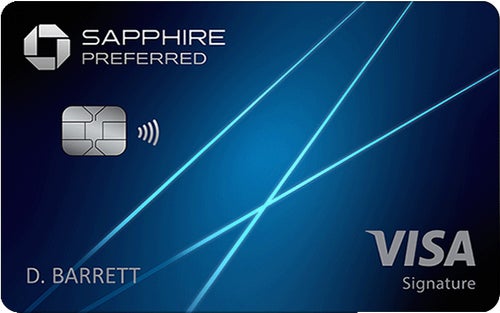
Earn 75,000 bonus points after you spend $5,000 on purchases in the first 3 months from account opening.
Annual fee$95
Premium benefits
Many cards come with premium benefits like travel insurance, lounge access, TSA PreCheck or Global Entry credits, shopping credits, purchase protection, and more. These perks save you money and offer peace of mind, making the annual fee worth it.
For example, we have multiple cards with lounge access that save us hundreds of dollars each year by allowing us to get unlimited food and drinks for our family while we wait for flights.

Earn 100,000 bonus points after you spend $6,000 on purchases in the first 3 months from account opening. This is the highest offer this card has ever had!
Annual fee$795

Earn 75,000 Capital One miles after you spend $4,000 on purchases in the first 3 months from account opening.
Annual fee$395
Related: Are the Sapphire Reserve benefits worth the fee?
Hotel and airline perks
Most co-branded hotel or airline cards with annual fees provide perks that make the fees worth it.
For example, the IHG One Rewards Premier Credit Card comes with the fourth night free on award stays and an annual free night certificate. Those two things easily make up for the low $95 annual fee.
Or the United Club℠ Card, with its huge $695 annual fee, may be worth it if you love United and want unlimited United Club access during your travels. Plus, it comes with free checked bags, priority boarding, IHG Platinum status, and more.
<All information about the IHG One Rewards Premier Credit Card and the United Club℠ Card has been collected independently by The Traveling Hansens. The card details on this page have not been reviewed or provided by the card issuer.>
When The Fees May Not Be Worth It
Low usage: If you rarely use your card and are not able to take advantage of its benefits, paying an annual fee may not be worth it.
High interest rates: The number one points and miles rule is to pay your cards on time and in full each month. If you carry a balance on your credit card and are paying interest charges, it negates the benefits, making the annual fee not worth it. Prioritizing no-annual-fee cards that have lower interest rates over rewards or perks may be a better choice.
What To Do If You Change Your Mind About The Fees
As I mentioned, the annual fee is nearly always worth it for the first year because of the welcome offer. After that, you have some choices to make. If you feel like the fee isn’t worth the benefits, there are a few options:
- Ask for a retention offer: Call the card issuer and tell them you feel like the fee is no longer worth it and are thinking about closing the card. Ask if they have any offers that would help you decide if you’d like to keep it open. They may offer to waive the annual fee or provide bonus points for keeping the card open.
- Downgrade or cancel: If there are no retention offers, consider downgrading to a no-fee version of the same card or canceling the card. Again, just be sure it’s been at least one year since you opened the card. Most banks give you 30 days from when your annual fee hits your account to downgrade or close the card and get your fee refunded. Capital One does not do this, so if you want to close your account, be sure to do it before your fee hits.
Related: Find the best card for you
In Conclusion
While annual fees on credit cards may seem daunting, they often provide so much value in the form of points and miles, benefits, travel insurance, and more. Don’t let the fees scare you away!

Thank you for using our card links when applying for new cards. It helps us run our small business at no extra cost to you. We appreciate your support!
Opinions expressed here are the author's alone, not those of any bank, credit card issuer, hotel, airline, or other entity. This content has not been reviewed, approved or otherwise endorsed by any of the entities included within the post.